
The Batting Legends of Lahore
The Batting Legends of Lahore
Lahore’s Claim to Cricketing Glory: Why Every Suburb Thinks It Produces the Best Batters
Drive through any Lahore street, and there’ll be a match somewhere. The ball could be duct-taped together, the half-cracked bat, but the intent — oh, the intent—is international class. Lahore cricket is more than a game. It’s neighbourhood pride, morning and evening habit, and most importantly, a talent factory. Every mohalla, ground, and dusty parking lot is convinced its boys are the next big batting sensations.
This belief is not misplaced. Historically, Lahore has produced some of Pakistan’s finest technically skilled and refined batters. From the retro sophistication of Majid Khan to the modern élan of Babar Azam, the city has been the wellspring of batting excellence. What is fascinating, though, is how deep this belief runs — not just in academies, but in narrow streets and through rooftop rivalries.
Even as careers in professional cricket change, local systems of faith remain strong. Remarkably, neighborhood confrontations and personal performances even propel micro-level discourse in the form of cricket betting odds on fan-founded sites. Children predict future heroes, compare stroke-play, and track consistency, making amateur games television-like affairs, if only in attitude.
Batting Traditions Passed Through Generations
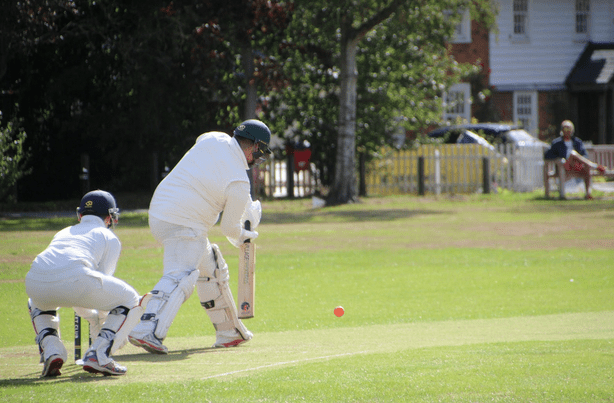
The passion for batting in Lahore doesn’t start in academies — it starts at home. Numerous young cricketers come from childhoods watching their elder siblings or uncles hold sway over neighborhood games. A well-timed cover drive or a six and more long-off isn’t merely cheered — it becomes local lore. Some boys even inherit bats that are handed down like heirlooms.
And not just the playstyle either. As debate intensifies, sites as Melbet Indonesia have drawn upon this ardent support base, presenting regional cricket and tournament betting markets alongside big international matches. This expanding attention also serves to illustrate how central grassroots cricket culture has become.
🎓 Explore Jobs by Qualification
Explore the latest job opportunities in J&K and across India based on your educational qualification.
Technique is the only king here. Parents shell out for coaching, coaches drill batters in footwork, and even net-watchers on weekends become critics. In Model Town, Mozang, and Samanabad, talent is not so much discovered — it’s cultivated, tried out, and sharpened day by day.
The city has an unspoken batting philosophy: stylish but tough, elegant but attacking. It’s the kind of touch that bamboozles selectors and makes bowlers go mad.
Neighborhood Rivalries To Fuel Excellence
All Lahore suburbs don’t just believe they produce the best batters — they have to demonstrate it. East meets west in blazing rivalries that spill over through generations, players taking great pride in playing for their street, block, or colony. What begins as good-natured play soon turns into closely contested games, with fans, sledging, and thrillers.
These matches are not simply about glory. They are exhibitions of skill. Word spreads fast when a young performer scores five consecutive boundaries or chases a challenging total alone. Soon, that player is the one who everyone wants to play against — or get out of.
These local competitions follow their own self-restrictive rules, a regional cricket code imposed by respect and convention. Before continuing, this is the differentiation of how certain Lahore neighborhoods differ in manner and configuration.
| Area | Batting Style | Local Quirk |
| Model Town | Technical and textbook-perfect | Competitive coaching academies |
| Mozang | Aggressive and risk-taking | Narrow spaces demand creative shot-making |
| Samanabad | Balanced and strategic | Long matches with rotating bowlers |
| Walled City | Unorthodox but effective | Rooftop cricket and unpredictable bounce |
Each zone has its own heroes and legends — players who will never go pro, but who dominate their circuit like national idols.
What makes Lahore’s Batters unique?
It is not natural talent that sets Lahore’s batters apart — it is the conditions under which they learn. Playing on uneven pitches, against older players, and amidst distracting din has the effect of hardening the head and refining the shot selection. You receive a quick education on how to hold your ground and where to overwhelm.
Patience is also what the local culture inculcates. Respect has to be earned through performance. A flashy innings gets applause, but a gritty fifty under pressure wins bragging rights forever.
Let’s examine some of the defining characteristics that mold the stereotypical “Lahori batter”:
- Unshakable Confidence: The batters learn to have faith in themselves from an early age, even when they face quicker, older bowlers.
- Adaptability: Rooftop, concrete wicket, or potholed street cricket demands quick reflexes and shot creativity.
- Game Awareness: Lahore’s long history of intense street games prepares players for coping with innings and grasping bowlers in an effective manner.
- Style Substance: Running isn’t sufficient — you must do it stylishly. Aggression and gracefulness somehow go hand in hand.
This combination of technique and bravado of a popular culture is what can make regular local block cricketers potential professionals.
Rising Through Local Circuits to Stardom
For most of Lahore’s batters, it begins on the pavement and ends in stadium lights. Tape-ball tournaments, club games, and college matches are stepping stones to regional teams. From there, it’s a battle to find a way into the national spotlight.
Some of today’s stars actually followed this very path. Babar Azam used to sweat for hours in the sun, bowling at bowlers way above his age bracket. Some others, like Abdullah Shafique and Salman Ali Agha, came to be recognized by dominating difficult Lahore club circles before making their way up the ranks.

Even now, every other weekend sees scouts, coaches, and retired players watching local games. The dream continues — and better organized than ever before.
The Heartbeat of a Cricketing City
Lahore, where there is a story on every street corner, a hero on each block, and a young batter yet to come with a desire greater than the pitch he occupies. Over competitive pride, the belief that what their neighborhood produces best is a living tradition, passed on in innings played out in the sun or beneath a street lamp.
This isn’t cricket. This is identity, culture, and hope. And in a town, the sound of leather on willow is more audible than that of car horns, Lahore won’t soon quit producing batters — or believing in them.