
Cat Bite Cases Surge in Kashmir: Over 6500 Incidents Reported at SMHS
Cat Bite Cases Surge in Kashmir: Over 6500 Incidents Reported at SMHS
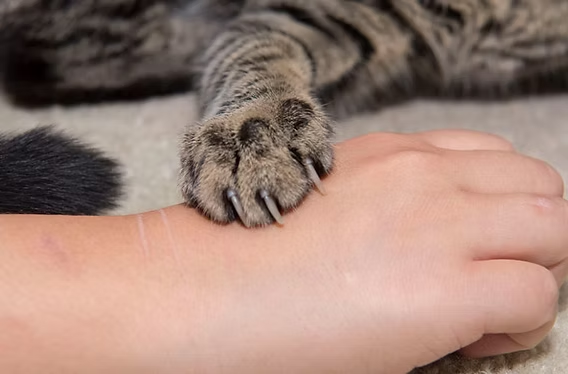
Kashmir has witnessed a troubling increase in cat bite incidents, with the Anti Rabies Clinic (ARC) at SMHS Hospital, Srinagar, reporting more than 6,500 such cases so far this year. The data highlights growing concerns over inadequate pet vaccination, poor animal healthcare practices, and lack of awareness among cat owners.
Figures accessed by news agency reveal that cat bite cases have overtaken dog bite cases at the clinic. Health officials link this trend to the rising popularity of cats as pets, especially in the post-COVID period, without proper attention to their medical and hygienic needs.
An official at ARC SMHS said that a common misconception among pet owners is that cats do not carry rabies. “Cats are equally capable of transmitting rabies, but many owners do not vaccinate them. As a result, we are seeing a steady increase in cat-related exposure cases. At present, over half of the animal bite cases reported here involve cats,” the official stated.
He further explained that neglecting vaccination, deworming, and regular veterinary check-ups significantly increases the risk of zoonotic diseases—those that can pass from animals to humans.
Pet ownership has expanded rapidly in Kashmir, with cats emerging as favored companion animals. Unlike animals kept for economic purposes, pets require consistent emotional and medical care. “Keeping a pet demands responsibility. Owners must be prepared to provide proper nutrition, shelter, healthcare, and behavioral training. Without this commitment, pet ownership becomes harmful,” the official added.
Medical professionals warned that poor hygiene, infrequent grooming, and lack of dental care in cats can lead to infections and parasitic conditions that may affect humans as well.
Experts recommend strict adherence to preventive measures, including timely rabies vaccination and immunization against other infectious diseases. Routine deworming is essential to control parasites that can spread to humans. Maintaining personal hygiene—such as washing hands after handling pets or cleaning litter trays—is also critical, along with regular grooming and oral care for cats.
🎓 Explore Jobs by Qualification
Explore the latest job opportunities in J&K and across India based on your educational qualification.
They advised people to avoid teasing or provoking cats, particularly strays or unfamiliar animals, as scratches and bites are common defensive reactions. In case of a bite or scratch, the wound should be washed immediately with soap and running water for at least 15 minutes, followed by prompt medical treatment.
Doctors also pointed out that cat scratches and bites can, in rare instances, transmit toxoplasmosis, which may pose risks during pregnancy. However, they stressed that such cases are uncommon and largely preventable through cleanliness and proper veterinary care.
“There is no need for alarm, but awareness and hygiene are essential, especially for expectant mothers,” doctors said.
Health authorities reiterated that rabies is almost always fatal once symptoms appear. Globally, the disease claims around 59,000 lives each year, with the vast majority of cases reported from Asia and Africa. Officials warned that neglecting pet vaccination can have life-threatening consequences.
ARC SMHS officials appealed to pet owners to act responsibly, emphasizing that preventive care protects both animals and humans, helping create a safer and healthier environment for coexistence in Kashmir.
👉Join JK Updates WhatsApp Channel 👈
549 Posts: BSF Recruitment 2025- Apply Online
J&K ARI and Training Department Recruitment
RRB Recruitment 2026 , Apply Online for 311 Posts