
Kashmiri youth are losing touch with reality in digital battles and forgetting about real life
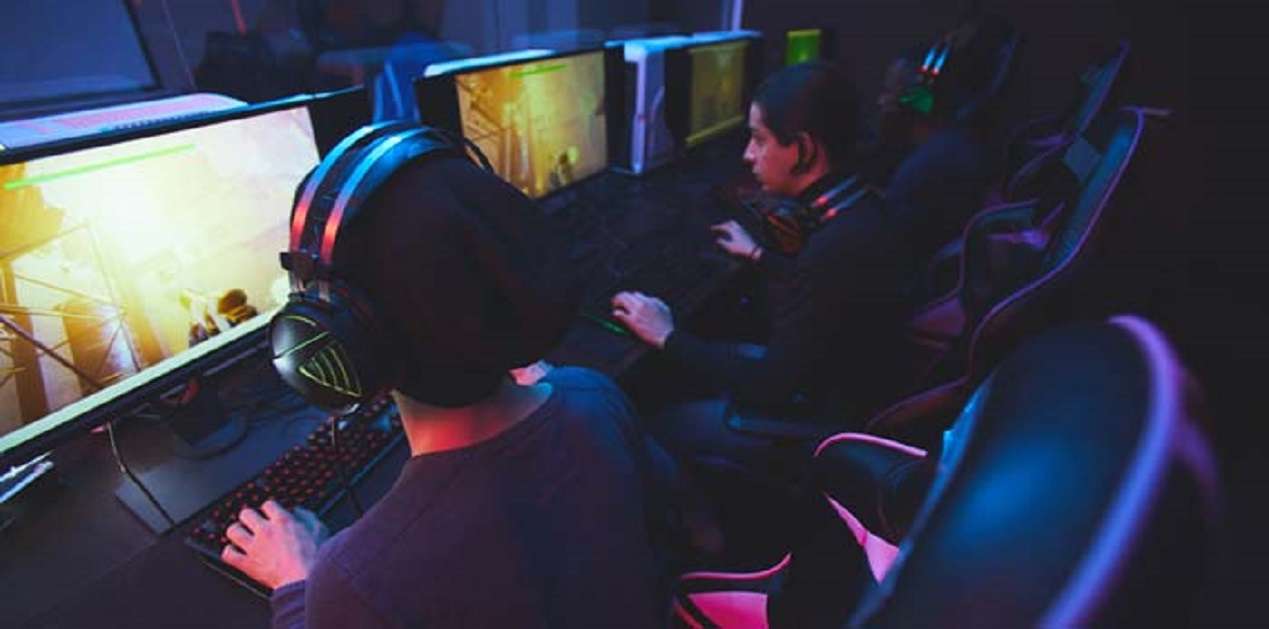
Every day, thousands of young people in Kashmir become deeply involved in online games, losing their connection with the world around them. This problem is spreading rapidly and affects entire families, turning virtual entertainment into a dangerous trap. Why has gaming addiction become so widespread here, and what can parents do to protect their children from digital captivity?
Gaming addiction is rapidly engulfing the youth and changing the face of the region
According to recent data, there are more than 560 million gamers in India, and Kashmir holds a significant place in this process. The term “gaming addiction” refers to a condition where a person cannot stop playing on their own, even if it harms their studies, health, or relationships. Economic difficulties, high unemployment, and limited leisure options push local youth to seek comfort in virtual worlds, where anyone can feel like a hero.
Real stories are turning into warning signs for families and society
In the Pulwama district, a teenager named Ibrahim stopped talking to his family and withdrew into himself after losing in an online game. In Srinagar, a private school student spent 105,000 rupees on in-game purchases, making numerous small transactions until his account was blocked. In one family, parents noticed that when their children tried to quit gaming, they began to experience physical symptoms of anxiety and trembling. Such cases are becoming more frequent, and parents often only learn about the problem when it has already taken on alarming proportions.
Psychological consequences and expert opinions raise concern and require attention
The mechanism of the “digital trap” is based on the action of dopamine — the substance responsible for feelings of joy and satisfaction. During gameplay, the brain receives instant “rewards,” which forms a persistent habit of returning to the virtual world again and again. According to specialists, gaming addiction destroys studies, disrupts sleep, leads to family conflicts, and makes it difficult to develop social skills.
The term “loot gaming accounts” refers to accounts used for purchasing in-game items, which often leads to financial losses. The main symptoms of addiction are anxiety, depression, aggression, avoidance of social contact, and loss of interest in life outside the screen. However, not all games are equally harmful: experts note that with a reasonable approach and balance, digital entertainment can be part of development, but it is the loss of control that turns them into a danger.
Gaming as the first step toward gambling addiction
In the modern world, the line between video games and gambling has become extremely thin. Loot boxes, which are present in many games, are mechanically very similar to gambling. In addition, many modern games offer daily rewards and bonuses for logging in and encourage regularity, which is the foundation for developing addictive behavior.
Video game enthusiasts most often choose gambling activities that have active gaming elements. Most often, these are crash games, since their mechanics create the impression of skill-based play. There are also interactive shows with a professional host who acts as an NPC (non-player character). In this regard, we were interested in information received from the authors of a top review site dedicated to the game Crazy Time, which find on the crazytimegame.org. They pointed out that interactive shows really have many elements reminiscent of classic video games. This includes the social aspect and “lore.”
Developers of gambling games are increasingly deliberately using such elements to attract the attention of the younger generation. Thus, video games pose not only a direct but also an indirect threat. This must be taken into account in the context of combating gaming addiction.
Parents and schools are beginning to look for solutions and join forces
Parents are advised to use special apps to control screen time, spend more time with their children, and discuss emerging difficulties with them. Families are increasingly implementing digital restrictions, setting purchase limits, and encouraging participation in sports or creative activities. Schools include topics about the dangers of gaming addiction in their curricula, conduct digital literacy lessons, and support students’ participation in sports and discussion clubs. Parents, teachers, and the teenagers themselves recognize that only joint action can bring results, and open dialogue helps to identify the problem at an early stage.
Effective measures and international experience offer hope for change
In some countries, time limits have been introduced for underage gamers, games are labeled with warning signs, and hotlines and counseling centers are available for families. In China, for example, teenagers are allowed to play only at certain hours, and in South Korea, there is a special “Cinderella law” that restricts nighttime access to games.
In India, such measures are still being implemented selectively, and in Kashmir, they face difficulties due to a lack of specialists and low parental awareness. However, examples from other countries show that a comprehensive approach can reduce risks and restore young people’s interest in real life.
A call to action and belief in change unite society in the fight for children’s future
The situation requires not only control, but also support, involvement, and understanding from all participants in the process. Only joint efforts by parents, educators, and authorities can change the worrying trend and help the youth of Kashmir return to a full life, filled with real emotions, achievements, and live communication. We should not wait until the problem escalates into a catastrophe — everyone can take a step toward change today by supporting their children on the path to harmony between the virtual and the real.